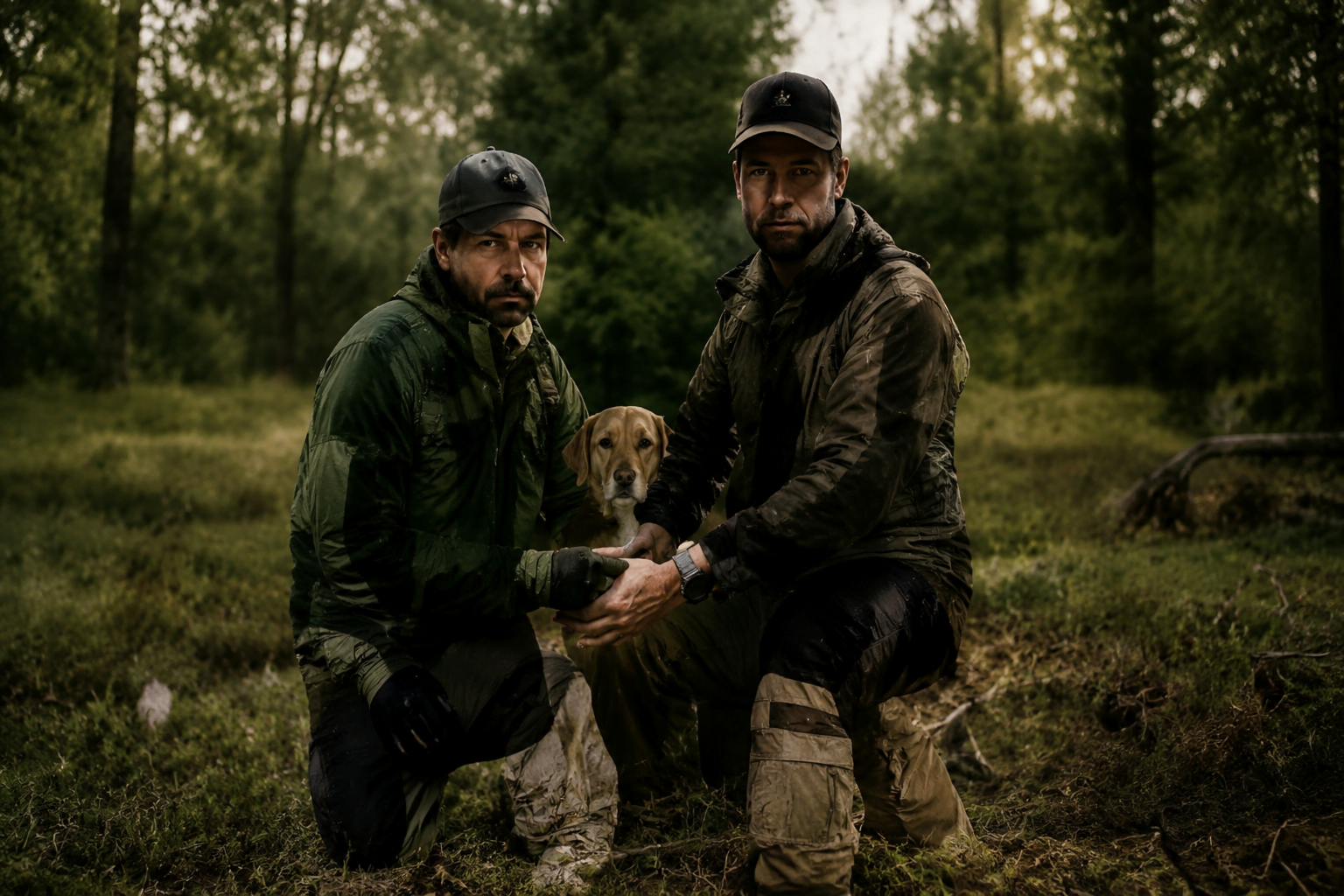
Dress smart. Stay comfortable.
When you’re outdoors, the weather can change quickly. A cool morning can turn into a warm afternoon, while wind and rain can make a comfortable day feel much colder.
The solution isn’t necessarily one heavy jacket. A better approach is a layering system.
Layering allows you to adjust your clothing as conditions change while staying comfortable, mobile, and prepared.
What Is a Layering System?
A layering system uses multiple clothing layers, with each layer serving a specific purpose.
Instead of relying on a single thick jacket, you combine:
- Base layer — manages moisture and keeps you comfortable
- Mid layer — provides insulation and warmth
- Outer layer — protects you from wind, rain, and the elements
The advantage is simple: you can add or remove layers as conditions change.
1. Start With a Base Layer
The base layer sits directly against your skin.
Its primary job is to help manage moisture and keep you dry during physical activity. When you’re hiking, working outdoors, camping, or moving through challenging terrain, moisture management becomes especially important.
Look for lightweight materials that are comfortable and breathable.
A good base layer should:
- Fit comfortably without restricting movement
- Move moisture away from your skin
- Dry relatively quickly
- Work comfortably underneath additional layers
Avoid relying solely on heavy cotton for demanding outdoor activity, especially in cold or wet conditions.
2. Add a Mid Layer for Warmth
The mid layer provides insulation.
This is where items such as fleece jackets, wool layers, insulated shirts, or field jackets can become useful. The goal isn’t simply to wear the thickest garment possible—it is to trap enough warmth while maintaining mobility.
Your ideal mid layer depends on the environment and activity.
For example, a lightweight insulating layer may be enough for a cool fall morning, while colder conditions may call for a heavier insulating layer.
3. Finish With an Outer Layer
The outer layer is your protection against the environment.
Wind, rain, snow, mud, and rough vegetation can all make outdoor conditions more difficult. A durable outer layer helps create a barrier between you and those conditions.
For outdoor use, consider an outer layer that provides:
- Wind resistance
- Water resistance or waterproofing when needed
- Durable construction
- Comfortable movement
- Enough room to accommodate your inner layers
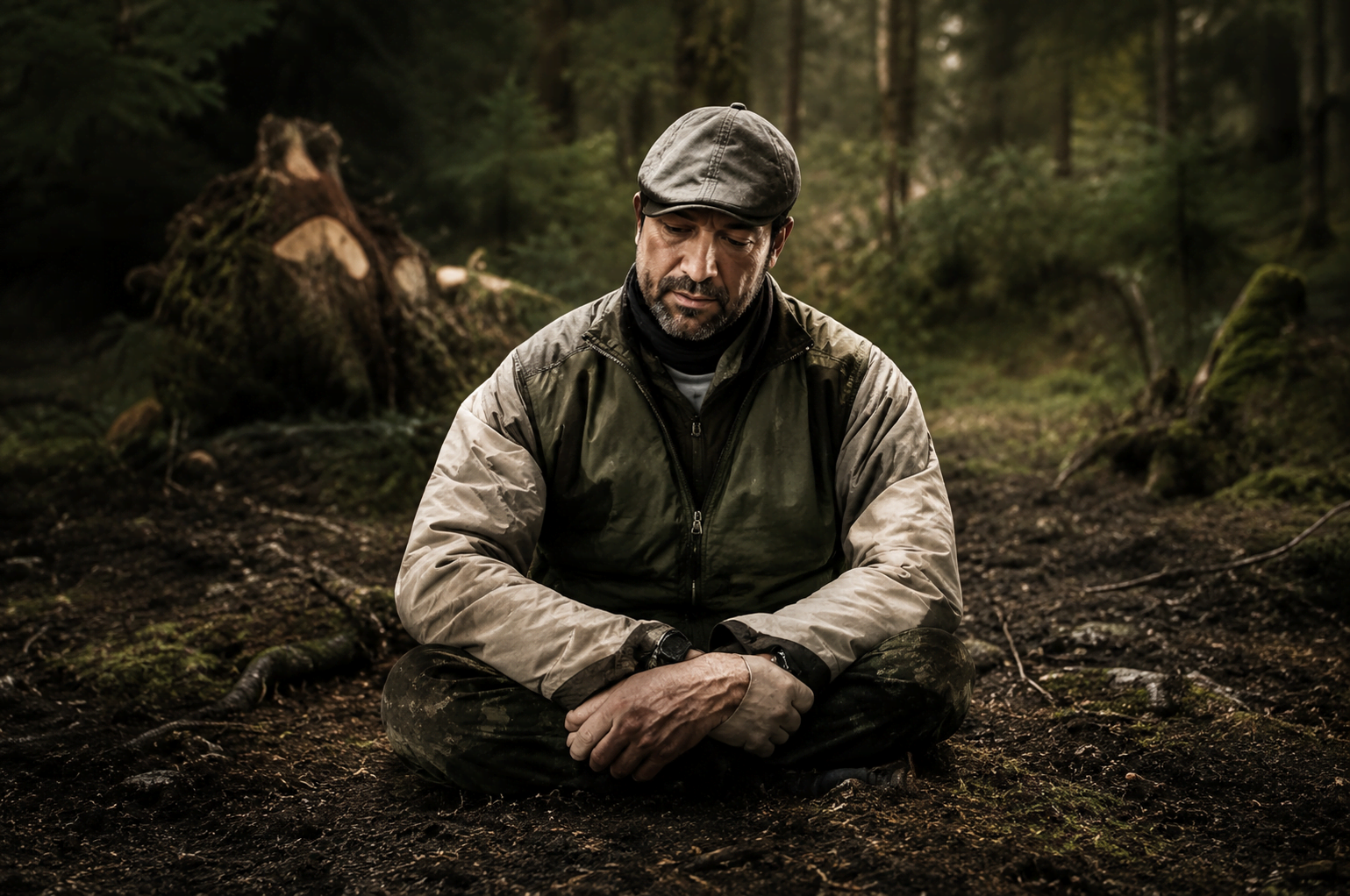
Military-inspired field jackets and durable outerwear are particularly useful when you need protection without sacrificing practicality.
The Key to Layering: Adaptability
The biggest advantage of a layering system is flexibility.
Imagine starting a hike early in the morning. Temperatures are low, so you wear three layers.
As the sun rises and your body temperature increases, you can remove the outer layer and continue comfortably.
Later, the temperature drops again. Simply put the layer back on.
Instead of carrying several completely different outfits, you have a system that adapts to the environment.
Layering for Different Conditions
Cool & Dry Weather
Try:
Base layer + lightweight mid layer + field jacket
This combination provides warmth without excessive bulk.
Cold Weather
Try:
Base layer + insulating mid layer + durable outer layer
Additional insulation can be added when temperatures drop significantly.
Windy Weather
Prioritize a protective outer layer that blocks wind while allowing your inner layers to provide warmth.
Wet Weather
A moisture-managing base layer combined with appropriate insulation and a water-resistant or waterproof outer layer can help keep you comfortable.
Don’t Forget Mobility
More layers don’t always mean better protection.
If your clothing is too bulky, it can restrict movement and make outdoor activities uncomfortable.
A good layering system should allow you to:
- Walk comfortably
- Bend and move freely
- Carry a pack
- Work with your hands
- Adjust layers quickly
Your gear should work with you—not against you.
Why Military-Inspired Gear Works Outdoors
Military and government-issued clothing has historically been designed around practical requirements: durability, functionality, mobility, and performance in demanding environments.
That makes military surplus gear an interesting choice for outdoor enthusiasts, campers, hikers, workers, collectors, and anyone who values functional clothing.
At Muster Point Outfitters, our focus is on authentic military surplus gear that is built for real-world use. From clothing and packs to accessories and field equipment, the goal is simple: provide dependable gear for wherever your next adventure takes you.
Build Your Own Layering System
You don’t need a closet full of specialized clothing to build an effective system.
Start with three essentials:
1. A comfortable base layer
For moisture management and everyday comfort.
2. A reliable insulating layer
For warmth when temperatures drop.
3. A durable outer layer
For protection against wind and changing weather.
From there, you can adjust your setup according to the season, activity, and environment.
Ready for Your Next Adventure?
The right gear can make a significant difference when you’re outdoors. Build your system around comfort, durability, mobility, and adaptability—then adjust your layers as conditions change.
Explore military surplus clothing and outdoor gear at Muster Point Outfitters.