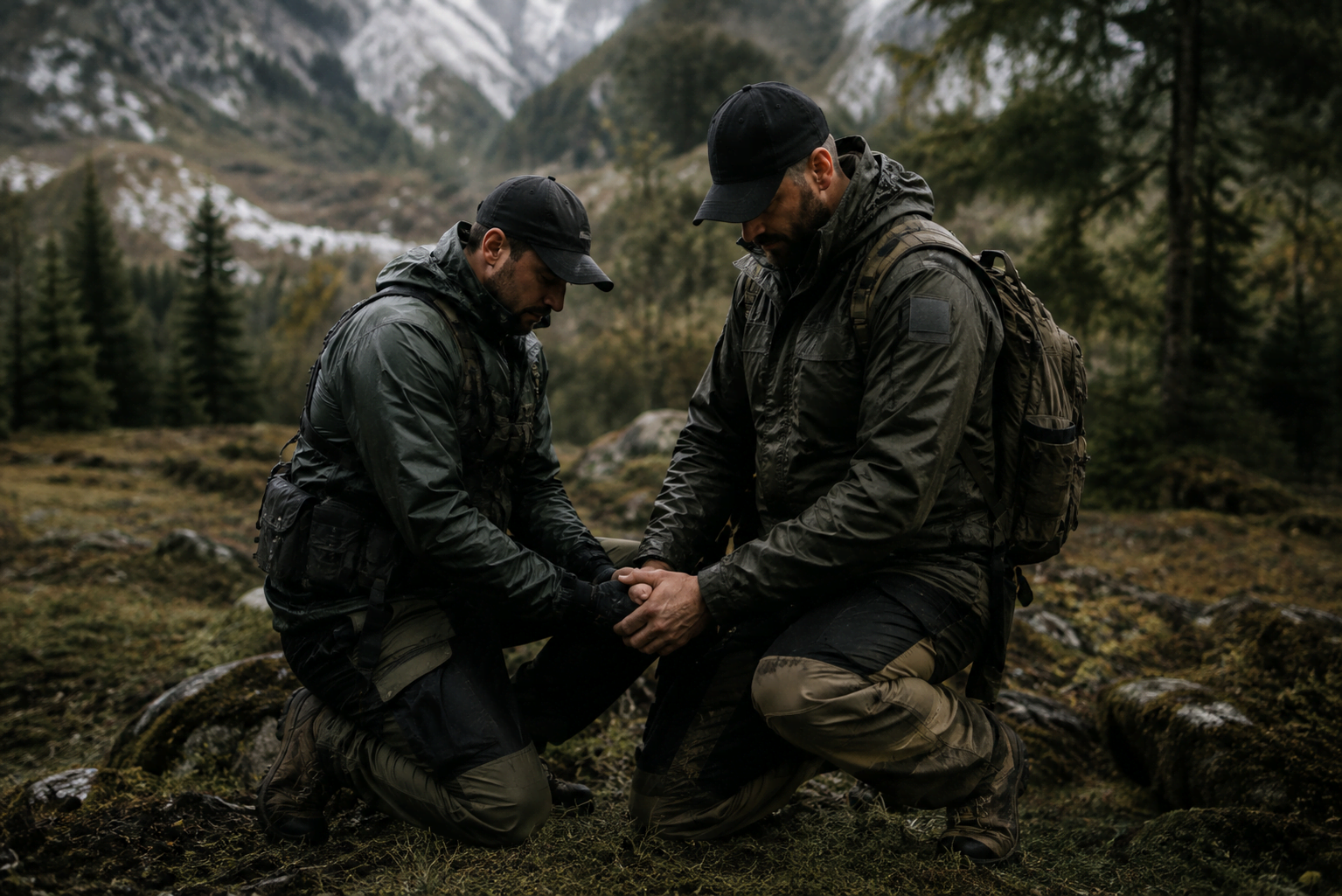
Our guide to finding your perfect fit.
A good pack should do more than carry your gear. It should be comfortable, durable, practical, and suited to the mission ahead.
Whether you’re heading into the woods, spending a weekend outdoors, working in the field, or simply need a dependable everyday bag, choosing the right pack can make a major difference.
Here’s what to consider before you buy.
1. Start With Your Purpose
The right pack depends on what you plan to use it for.
Before looking at size, features, or appearance, ask yourself:
What am I carrying, and where am I going?
For example:
- Day hikes: A compact pack is usually enough for water, food, clothing, and basic essentials.
- Camping: You’ll need additional capacity for shelter, sleeping equipment, cooking supplies, and clothing.
- Outdoor work: Durability, organization, and easy access become especially important.
- Travel: Look for practical storage and comfortable carrying.
- Everyday use: A smaller, versatile pack may be all you need.
Choosing based on your actual needs prevents you from carrying unnecessary weight.
2. Consider Pack Capacity
Pack capacity is generally measured in liters.
A smaller pack works well when you’re carrying only the essentials, while larger packs are better suited for extended trips or bulky equipment.
As a general guide:
Small Packs — Around 15–25L
Ideal for:
- Day trips
- Everyday carry
- Short hikes
- Basic essentials
Medium Packs — Around 25–40L
A versatile option for:
- Longer day hikes
- Outdoor work
- Overnight trips
- Additional clothing and equipment
Large Packs — 40L+
Better suited for:
- Multi-day trips
- Camping
- Extended outdoor activities
- Carrying larger amounts of equipment
Don’t automatically choose the biggest pack.
A larger pack can encourage you to carry more than you actually need.
3. Pay Attention to Comfort
A pack can be extremely durable and still be uncomfortable if it doesn’t fit properly.
Look for features that help distribute weight across your body.
Important considerations include:
- Adjustable shoulder straps
- Comfortable back support
- Properly positioned load
- Hip or waist belt when appropriate
- Breathable materials
- Adequate padding
When possible, try the pack with some weight inside it before committing to it.
A comfortable pack should allow you to move naturally without constantly shifting the load.
4. Look for Practical Organization
A good pack should make your gear easy to access.
Think about the equipment you normally carry.
Do you need separate compartments for:
- Water
- Clothing
- Food
- First-aid supplies
- Tools
- Navigation equipment
- Personal items
Multiple compartments can help keep equipment organized, but too many pockets can also add unnecessary complexity.
For many users, simple and functional is better.
5. Durability Matters
Outdoor equipment gets used hard.
Your pack may encounter:
- Dirt
- Rain
- Rocks
- Branches
- Abrasion
- Heavy loads
- Frequent use
That’s why construction quality matters.
Military surplus packs are particularly interesting for people who prioritize durability and practical design. Many were originally developed for demanding environments where equipment needed to withstand repeated use.
At Muster Point Outfitters, the focus is on genuine military and government-issued gear designed around durability and real-world functionality.
6. Think About the Weight
A durable pack doesn’t need to be unnecessarily heavy.
Remember that the pack itself becomes part of your total load.
If you’re going to carry it for several hours, even a small difference in weight can become noticeable.
Try to find the balance between:
Durability + Capacity + Comfort + Weight
The best pack is the one that gives you the features you actually need without adding unnecessary bulk.
7. Consider the Environment
Where you use your pack matters.
A pack for a dry summer hike doesn’t necessarily need the same features as one used in wet or cold conditions.
Think about:
- Rain and moisture
- Temperature
- Terrain
- Distance
- Frequency of use
- Type of equipment you’re carrying
If you’re regularly outdoors, durability and weather resistance should become higher priorities.
Military Surplus Packs: Built With Purpose
Military packs have a long-standing reputation among outdoor enthusiasts because they tend to prioritize function over unnecessary features.
They are designed around practical requirements such as carrying equipment, maintaining mobility, organizing essential items, and surviving demanding environments.
That makes military surplus packs an excellent option for hikers, campers, outdoor workers, collectors, and anyone looking for dependable gear.
And because surplus equipment comes from different military systems and eras, each pack can have its own characteristics, design, and history.
The Right Pack Is the One That Fits Your Mission
There isn’t one perfect pack for everyone.
The right choice depends on:
What you’re carrying.
Where you’re going.
How long you’ll be out.
And how hard you’ll use it.
Start with your intended purpose, choose an appropriate capacity, prioritize comfort, and look for construction that can handle your environment.
Then pack only what you actually need.
Simple. Practical. Ready for the next adventure.
Find Your Next Pack
Ready to find a dependable pack for your next trip?
Explore the Packs & Bags collection at Muster Point Outfitters and find gear built for adventure and made to endure.